7 Smart American Dream Extended Warranty Tips for Drivers
Introduction
Unexpected car repairs can put pressure on any driver's budget. Engine trouble, transmission problems, and electrical failures may result in costly bills, particularly when the original manufacturer's warranty expires. Understanding available vehicle protection options can help drivers prepare for these expenses.
An american dream extended warranty is a search term people may use when researching vehicle protection plans. Before choosing a plan, drivers should understand what a car warranty covers, which conditions apply, and how claims are processed. American auto protect can be discussed within the broader topic of vehicle protection and responsible car ownership.
What Is an Extended Car Warranty?
An extended car warranty is a common term for a vehicle service contract that may cover specified mechanical or electrical repairs beyond the original manufacturer's warranty period.
Unlike a manufacturer's warranty, which generally covers qualifying defects under its terms, an extended service contract provides coverage according to its own agreement.
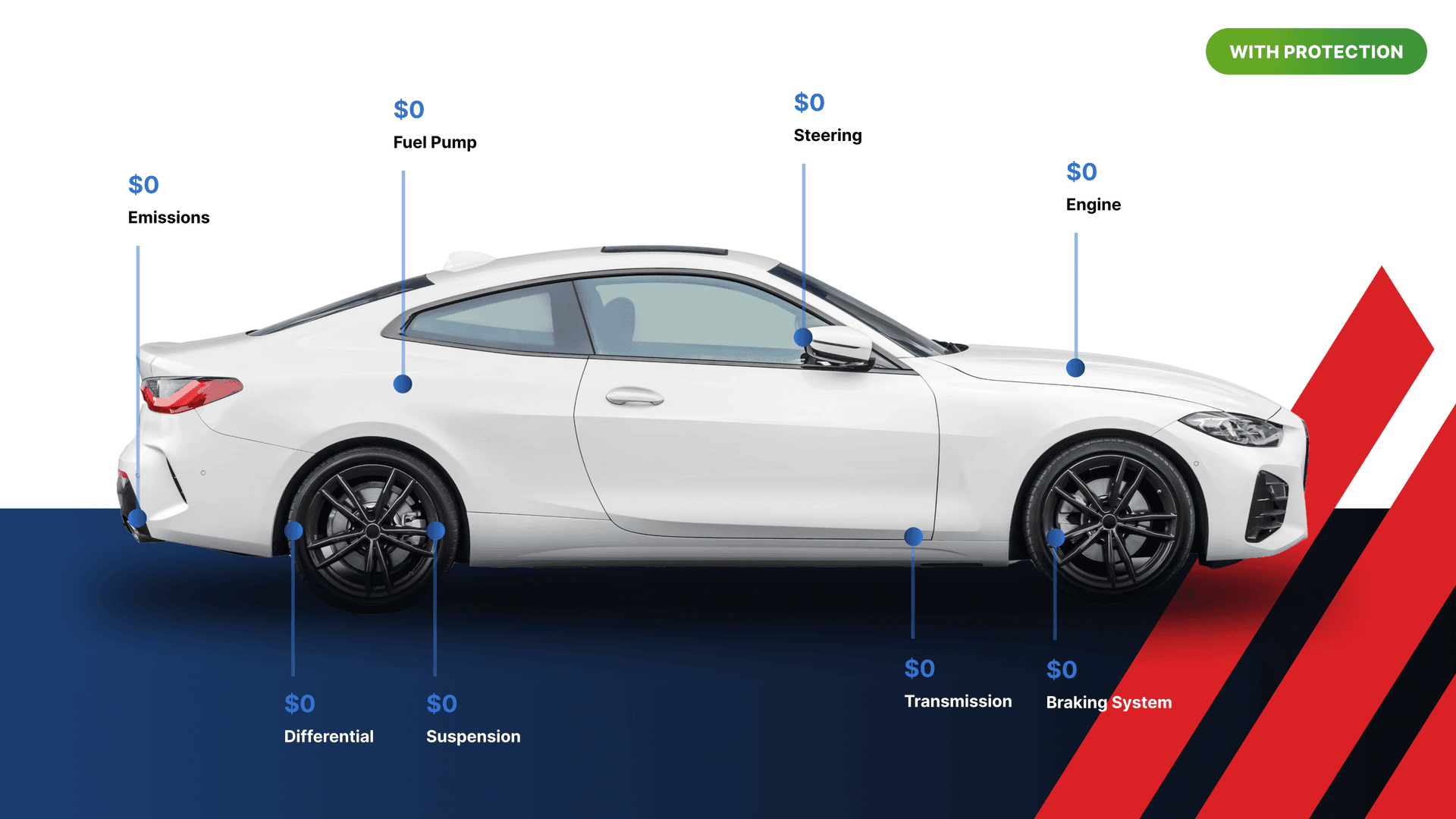
Depending on the plan, covered components may include:
Engine and transmission parts
Selected electrical systems
Drivetrain components
Certain air conditioning components
Additional benefits, such as roadside assistance, when included
Coverage varies by provider. Always review the written contract to understand which repairs qualify and which are excluded.
7 Smart Benefits of Understanding Extended Warranty Coverage
1. Prepare for Unexpected Repair Costs
Major mechanical repairs can be expensive. A suitable service contract may cover eligible repairs and reduce certain out-of-pocket expenses.
However, the contract price, deductible, coverage limits, and exclusions all affect the overall value of the plan.
2. Improve Your Vehicle Budget
Car ownership involves fuel, insurance, maintenance, and repairs. Understanding warranty options helps drivers evaluate whether additional protection fits their financial situation.
Compare the total cost of a contract with the benefits it offers. Consider whether saving money for future repairs would be a better option for your circumstances.
3. Understand Which Components Are Covered
Different plans protect different vehicle systems. Some focus on major mechanical components, while others offer broader coverage.
Before buying, check the covered-parts list and confirm whether parts, labor, diagnostic fees, and replacement components are included.
4. Explore Options for Used Vehicles
Some providers offer service contracts for eligible used cars. Vehicle age, mileage, condition, and maintenance history may determine eligibility.
Drivers should confirm these requirements before purchasing a plan and ask whether inspections or waiting periods apply.
5. Understand Repair and Claim Procedures
A service contract may require prior authorization before repairs begin. It may also specify approved repair facilities and documentation requirements.
Understanding the process in advance can help avoid claim delays and disagreements over payment.
6. Support Long-Term Vehicle Ownership
Drivers who plan to keep a car for several years may want to evaluate the potential cost of future repairs.
An extended warranty may suit owners who prefer contract-based protection for eligible repairs. Others may choose to maintain an emergency repair fund instead.
The right option depends on the vehicle's reliability, expected repair costs, and personal budget.
7. Make Better Vehicle Protection Decisions
Researching American auto protect and similar vehicle protection topics helps drivers ask informed questions before signing an agreement.
Compare coverage, contract duration, exclusions, deductibles, and cancellation terms rather than relying only on advertised benefits.
How to Choose the Right American Dream Extended Warranty
Use these practical steps when comparing service contracts:
Check your existing warranty: Determine whether your manufacturer's coverage is still active.
Compare total costs: Include the contract price, deductible, and any additional fees.
Read exclusions carefully: Check how the agreement treats pre-existing conditions, routine maintenance, and wear-related problems.
Verify the provider: Confirm the company's identity and identify the contract administrator.
Review claim requirements: Ask whether repairs require authorization and which facilities can perform them.
Check mileage and time limits: Ensure the contract matches your driving habits and ownership plans.
Understand cancellation rules: Review refund conditions and possible cancellation fees.
These steps help you evaluate whether a plan offers useful protection for your vehicle.
Common Warranty Mistakes to Avoid
Drivers should avoid these common mistakes when researching an extended car warranty:
Assuming every repair will be covered.
Overlooking deductibles and coverage limits.
Ignoring maintenance and documentation requirements.
Buying overlapping coverage without checking existing benefits.
Confusing a service contract with auto insurance.
Relying on verbal promises instead of written terms.
Keeping maintenance receipts, repair invoices, and contract documents organized can help you understand your responsibilities and support future claims.
Frequently Asked Questions
1. What is an american dream extended warranty?
It is a search phrase used to research extended vehicle protection options. To understand a particular offering, verify the provider and review its written contract.
2. What does an extended car warranty cover?
Coverage depends on the agreement. Some plans cover specified engine, transmission, drivetrain, or electrical components, subject to exclusions and limits.
3. Is an extended warranty worth the cost?
It depends on the vehicle's condition, expected repair costs, contract price, and your ability to pay for unexpected repairs. Compare the benefits with the total cost before deciding.
4. Can a used car qualify for an extended warranty?
Yes, some service contracts cover eligible used vehicles. Age, mileage, condition, and maintenance history may affect eligibility.
5. Does an extended warranty cover regular maintenance?
Routine services such as oil changes, tire replacement, and scheduled servicing are generally excluded unless the agreement specifically includes them.
6. What should I check before purchasing a warranty?
Review the covered components, exclusions, deductibles, claim procedures, contract duration, provider details, and cancellation policy.
Conclusion
An extended car warranty may help drivers manage the cost of eligible mechanical repairs, but its value depends on the specific contract. Comparing prices, understanding exclusions, and reviewing claim requirements are essential before making a purchase.
American auto protect can be part of your broader research into vehicle protection options. Always verify the provider and read the complete agreement to determine whether a plan meets your needs.
For More Blogs Visit
https://friends-social.com/blogs/172462/8-Essential-American-Dream-Insurance-Tips-for-Car-Owners
Comments
Post a Comment